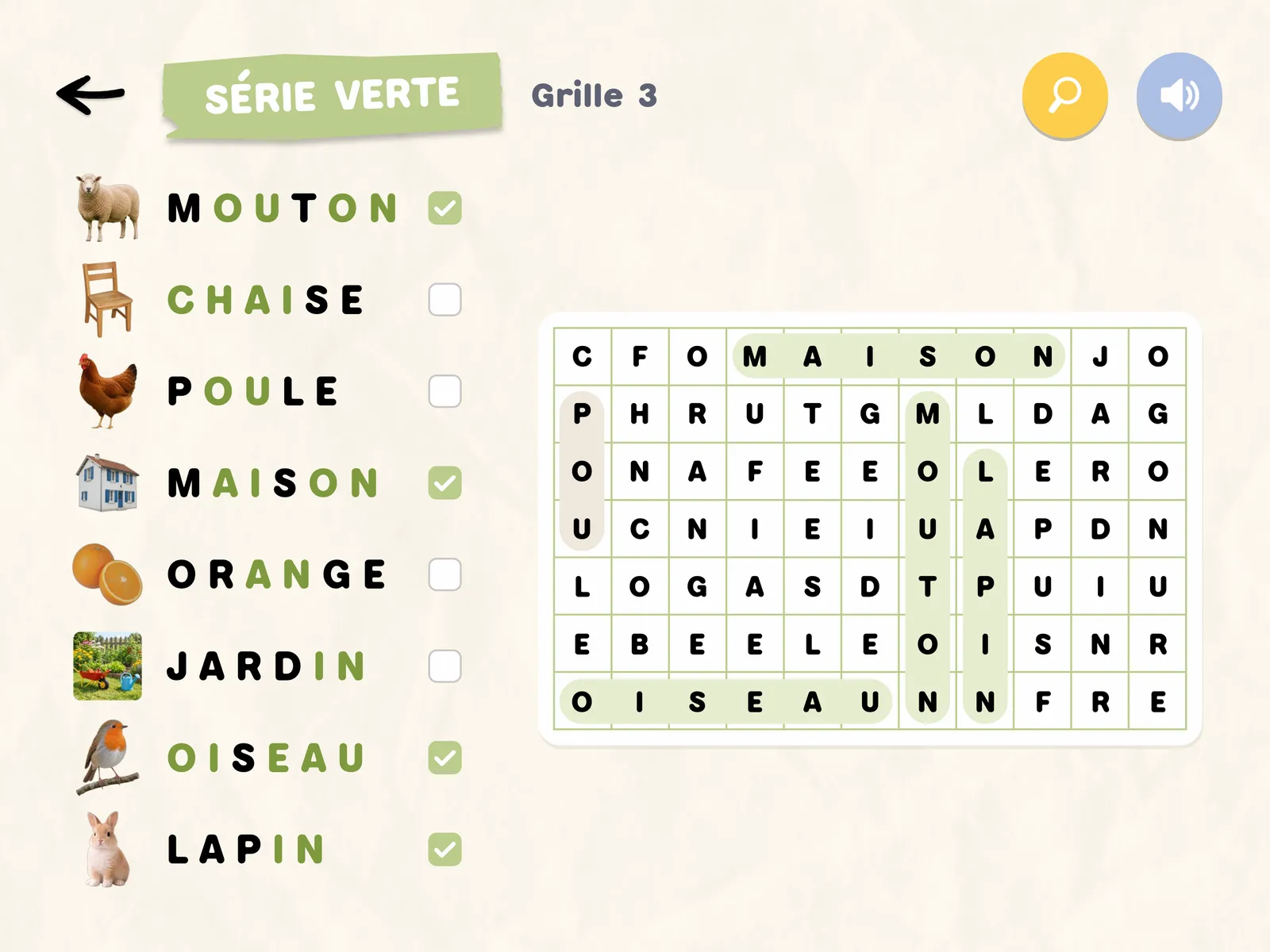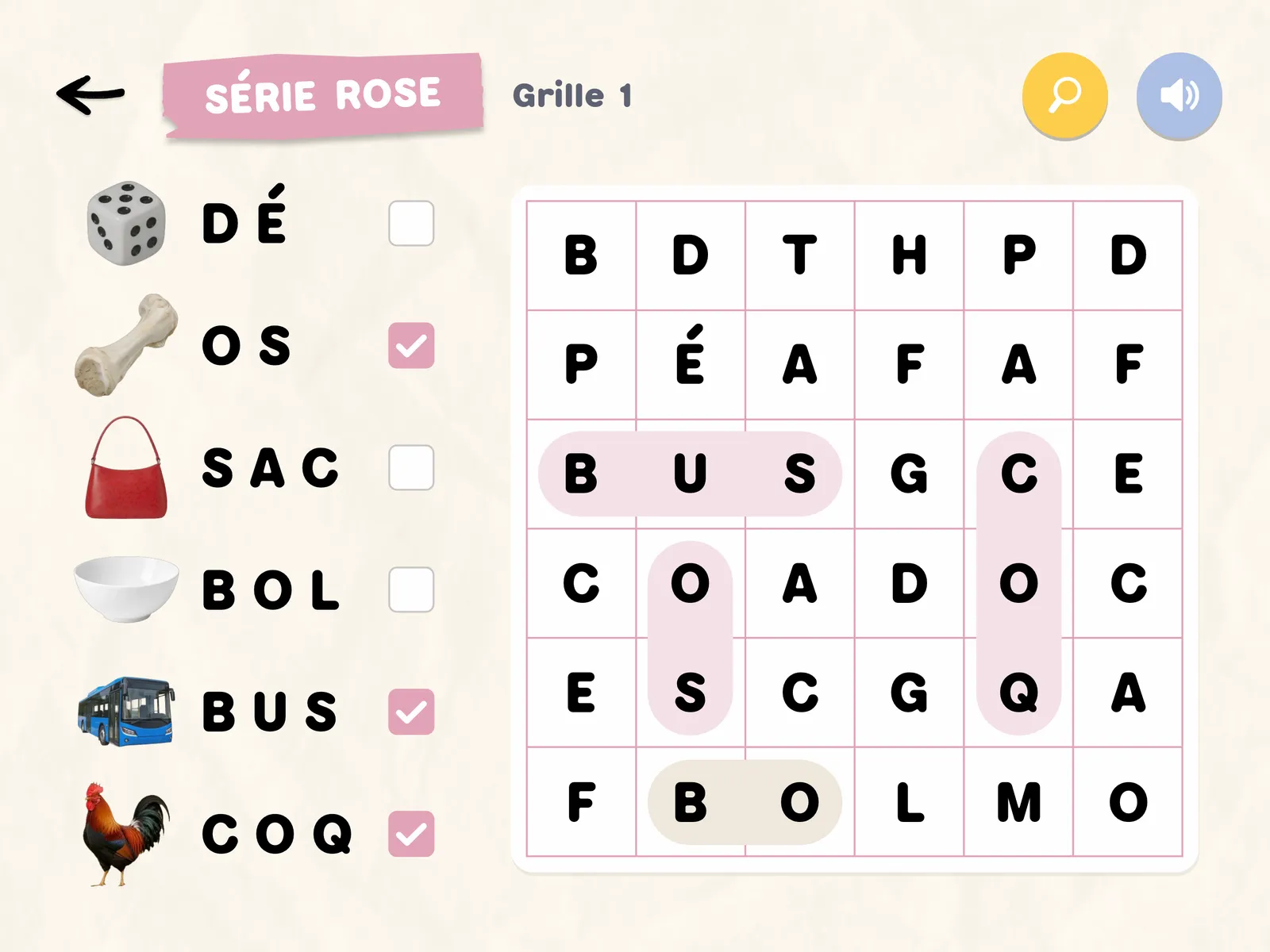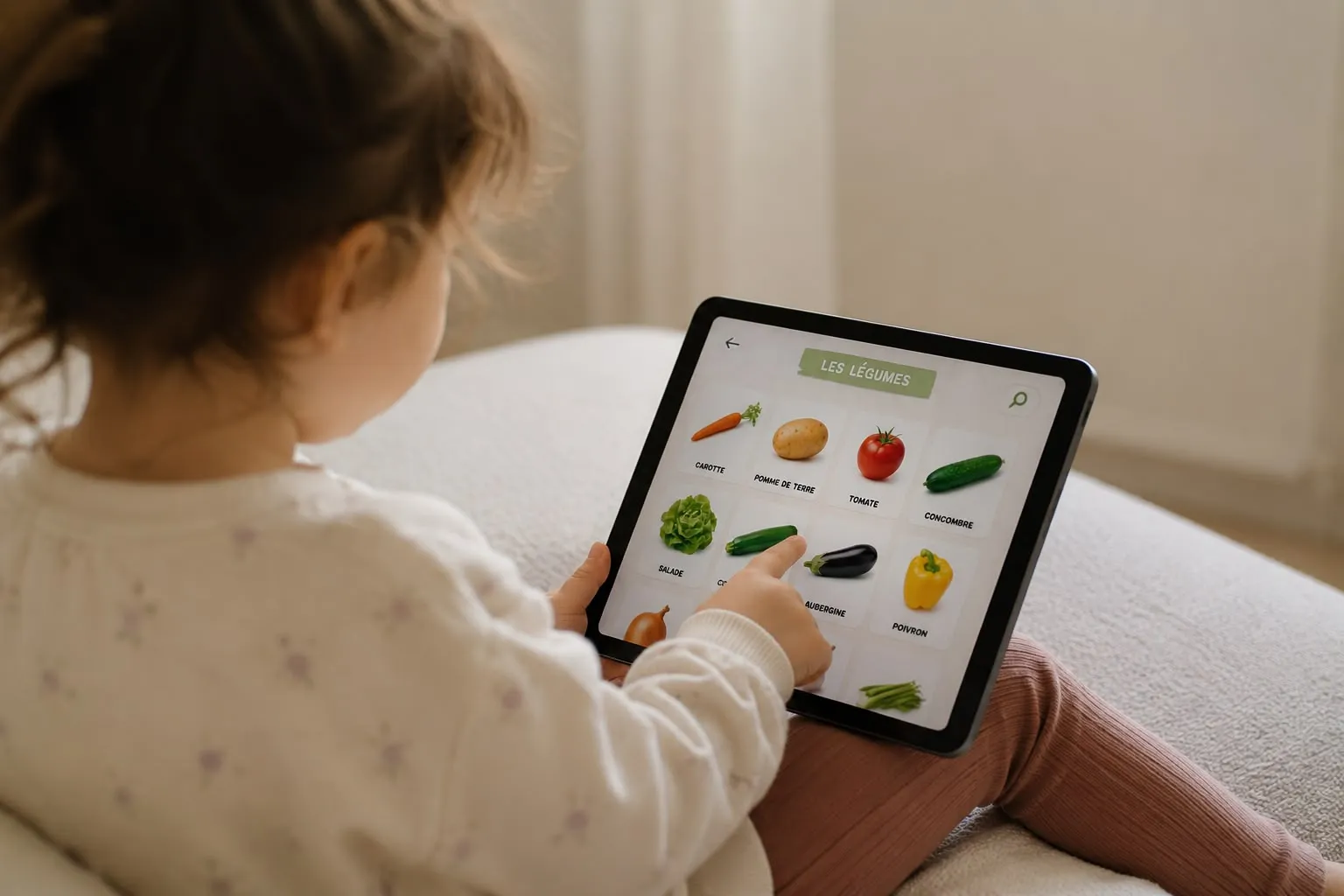
It is one of the most visible choices in MurMur Picture Dictionary, and also one of the most debated: why real photographs, when most children’s apps rely on colourful, stylised illustrations?
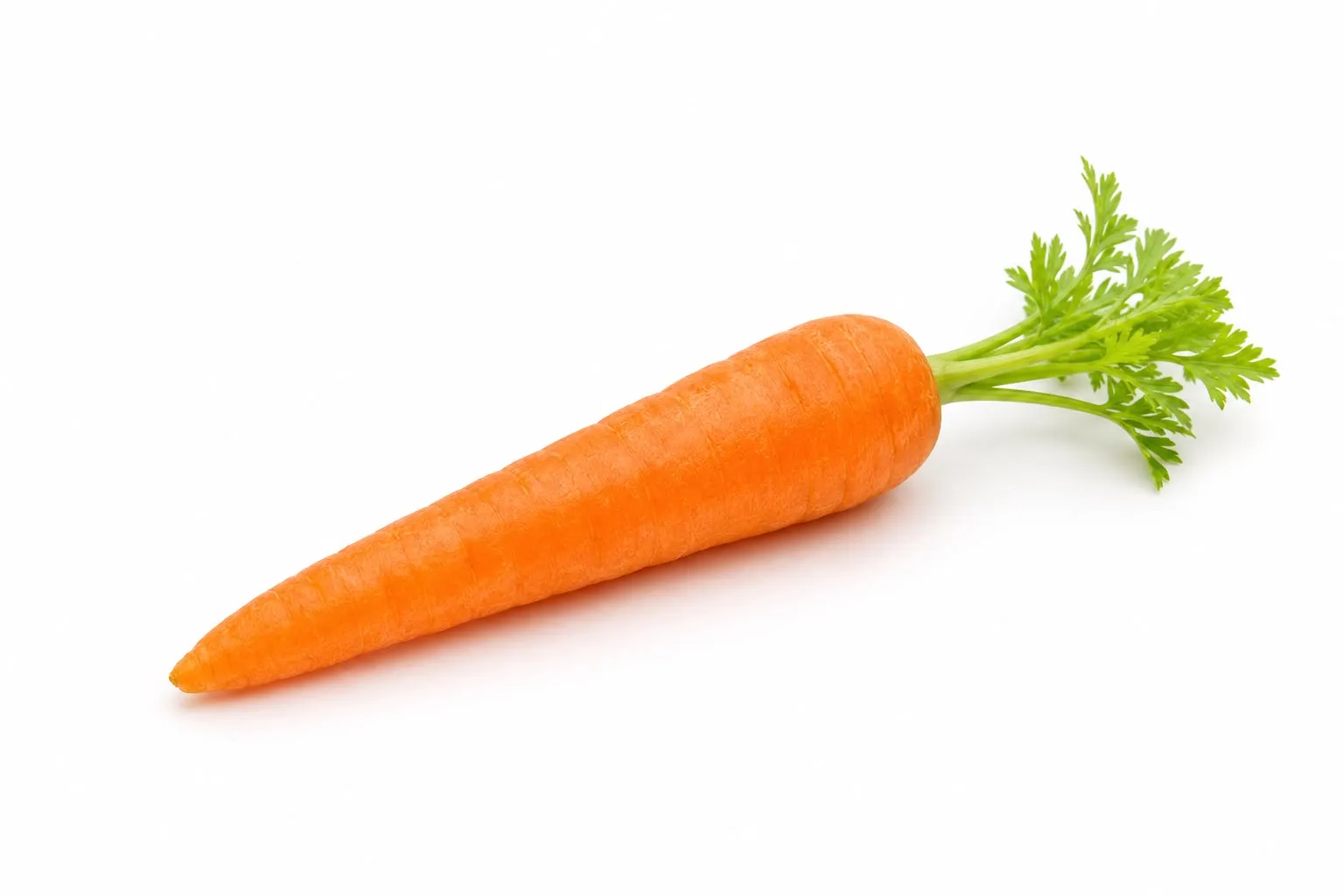
A drawn carrot is not a carrot
A drawing, however lovely, is an interpretation. It simplifies, it stylises, it sometimes invents details that do not exist in reality: eyes, a smile, improbable colours. For a child building their vocabulary, that gap has a cost: the word “carrot” ends up linked to an imaginary object, not to the real carrot they will come across at the market or on their plate.
A photograph, on the other hand, does not cheat. A carrot is orange, textured, sometimes a little crooked, and that is exactly what the child will see off-screen. The word attaches to a faithful, transferable, useful image.
“Vocabulary is useless if it stays locked inside the app. Our goal is for it to come out.”
A primary school teacher’s perspective
In preschool classrooms, this observation comes up again and again: children name what they recognise in real life more easily than what they have seen in a drawing. Photographic picture books, long confined to paper textbooks, have always worked better for this early learning of vocabulary. It is that on-the-ground observation that guided the design of MurMur Picture Dictionary.
How we choose each photo
Every image is selected with the same standard: a neutral background, a sharp and clearly identifiable object, no distracting elements. Neither too polished nor too raw: just real enough for a young child to recognise the object at first glance, and just refined enough to stay pleasant to look at, again and again.
Try MurMur Picture Dictionary
More than 700 words to hear and observe, in French and in English.