We often talk about reading, writing and arithmetic, rarely about vocabulary. Yet it is one of the sturdiest pillars of school success, and one of the easiest to build from the earliest age.
A capital that widens early
Cognitive science studies agree: the vocabulary gap between children widens from the very first years, well before they start school. A child who hears and manipulates many words has a broader foundation for understanding instructions, following a story, then learning to read, because reading is above all recognising words you already know from speech.
There is nothing anxiety-inducing about this observation: it simply means that every word named, every everyday object pointed at, counts. No need for formal lessons; language is built through exchange, repetition and play.
Naming, again and again
A child’s brain needs to hear a word several times, in different contexts, before truly taking it in. That is why repetition is not a pedagogical flaw but a necessity: asking for the same word again, hearing it ten times over several days, is part of the normal learning process.
“A child who repeats the same word ten times is not stuck. They are anchoring it.”
How MurMur Picture Dictionary nurtures this vocabulary
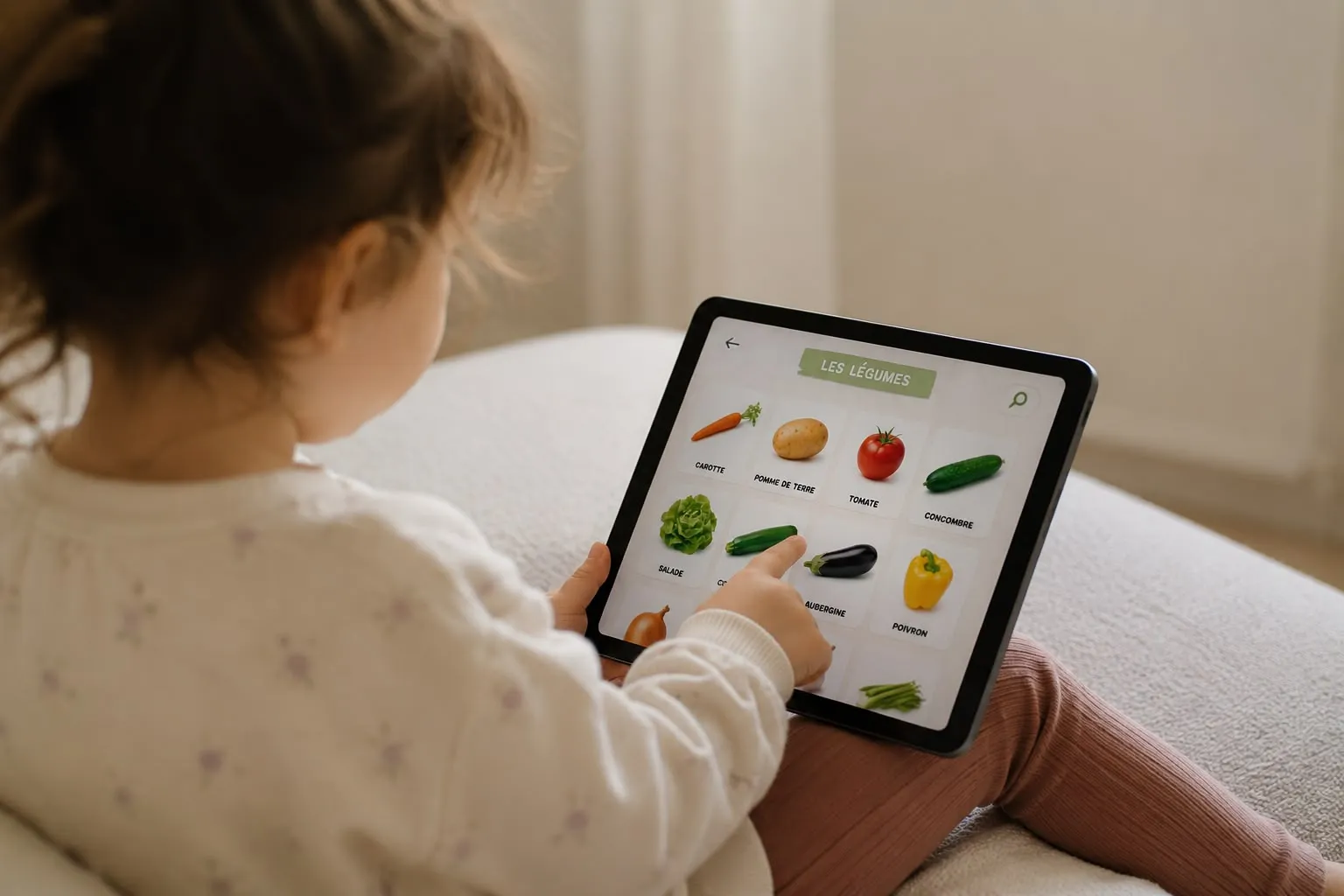
With more than 700 words organised into six familiar worlds, the picture book offers a training ground that is vast yet never scattered: each word is anchored to a real image, spoken clearly, and can be replayed as many times as the child wishes, with no timer and no judgement, at their own pace.
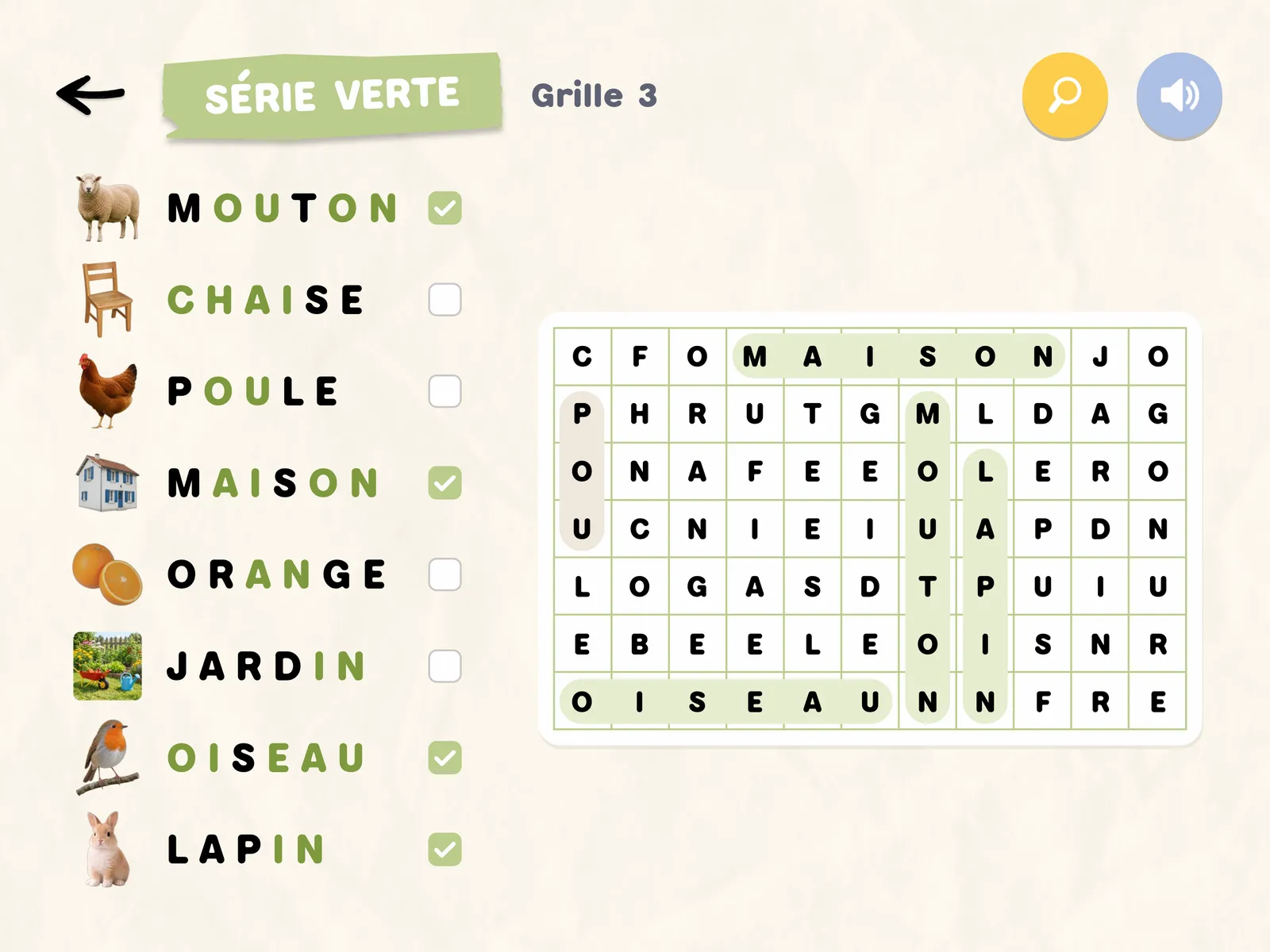
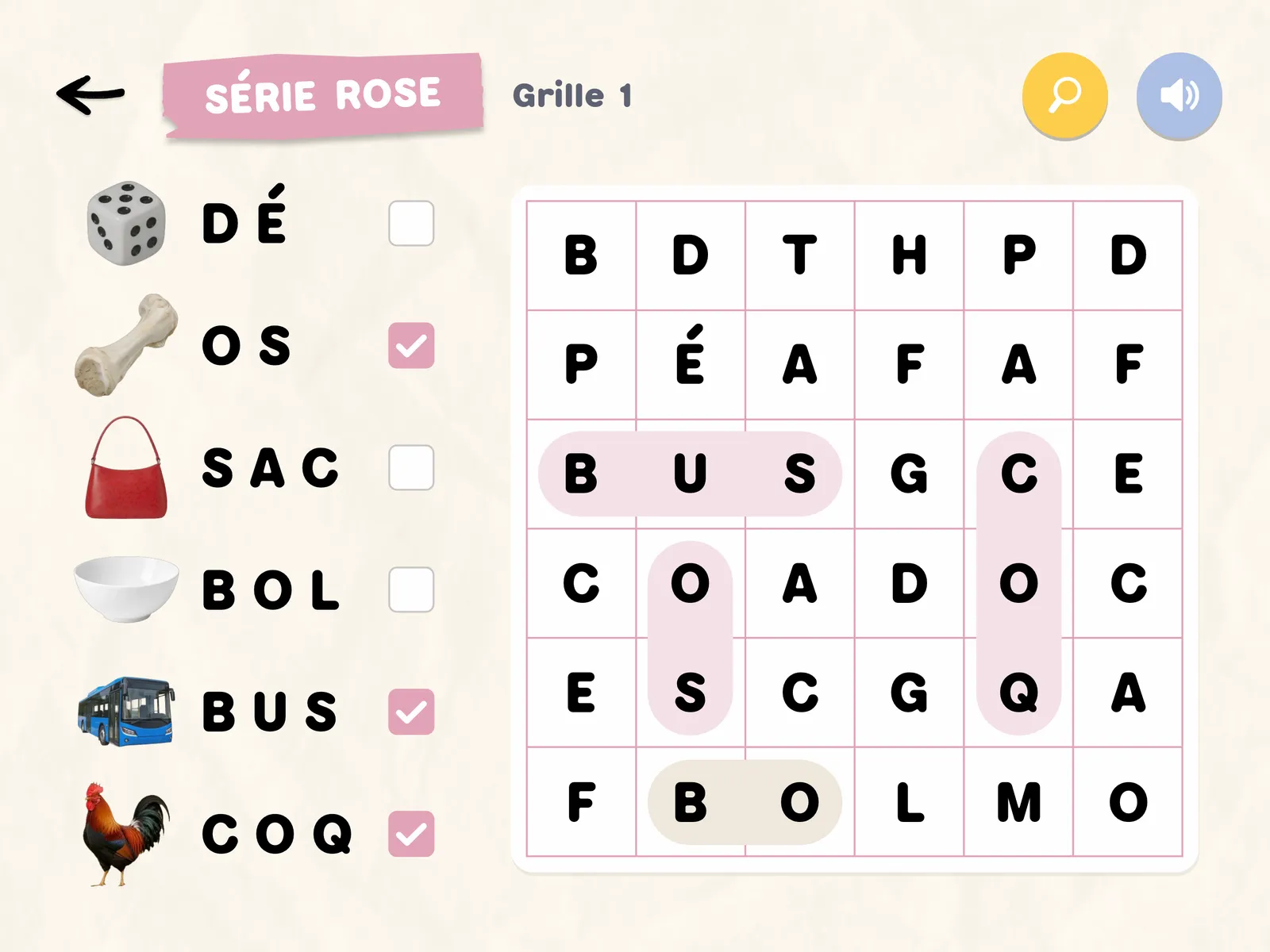
The “search and find” game then reinvests this vocabulary actively: the child no longer merely listens, they must find the image that matches the word they heard. It is one step closer to a real mastery of vocabulary.
Try MurMur Picture Dictionary
More than 700 words to hear and observe, in French and in English.